The context
Some operations call you in because they're struggling. This one is the opposite. Coca-Cola Beverages South Africa bottles one of the most recognisable brands in the world, and the team runs its plant well — disciplined, data-driven, and already strong on process control. The interesting question wasn't "how do we fix this?" It was "where can technology add the next increment of value to an operation that's already good?"
That's a harder and more rewarding brief. When the baseline is already high, the wins come from visibility and reliability at the margins — not from ripping anything out.
Our starting principle: it's never about pushing technology. It's about listening — understanding how operators, managers and customers actually work — and only then aligning solutions to what they really need. With a strong team, the worst thing you can do is impose a system that fights how they already operate.
Our approach
We began the way we always do on a serious engagement: in the field, not in a slide deck.
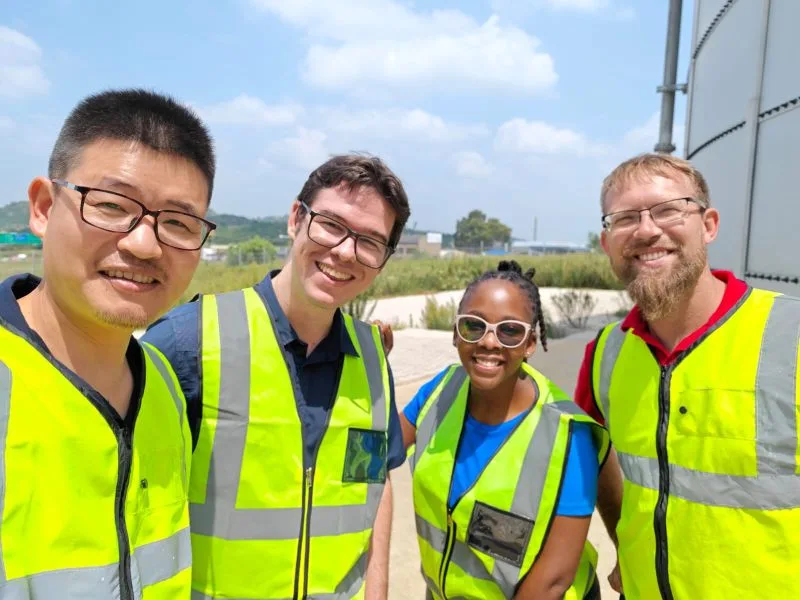
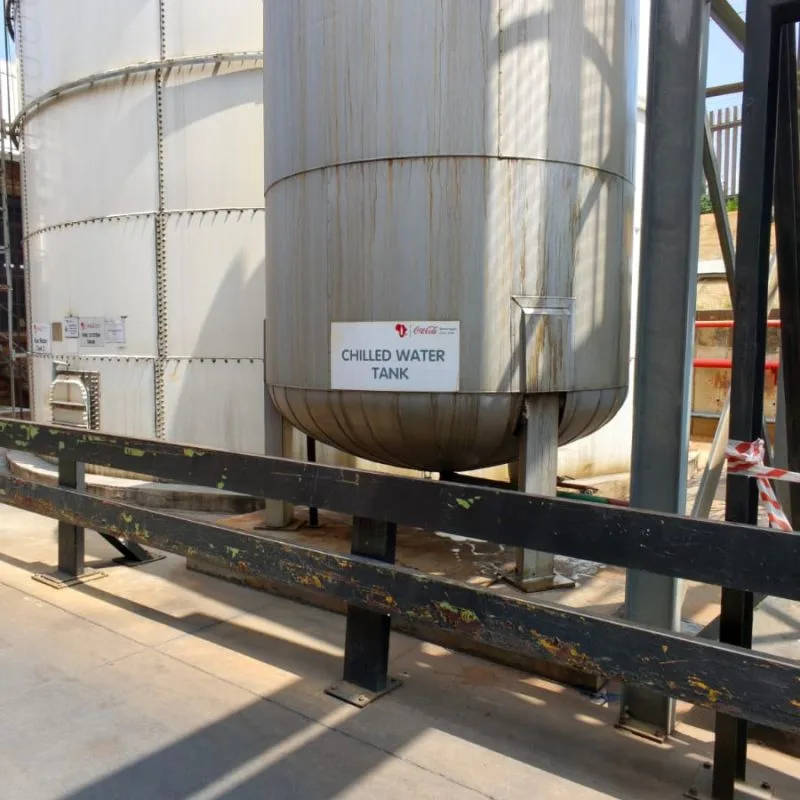
- Site visits first. Walking the floor, seeing the real people, real processes and real constraints — because operations look different up close than they do on paper.
- Open, practical discussion on where reliability and visibility could improve, led by the plant's own priorities rather than a product roadmap.
- Exploring where IIoT can quietly support already-strong processes — augmenting the team's control, not replacing their judgement.
- A shared focus on long-term outcomes over quick wins, working with Talbot — the specialist water-and-environmental partner — so the water process is understood end to end.
- Read the existing instruments. The value of the addaNet platform here is connecting data already being managed into a clearer, continuous picture — not a rip-and-replace.